
Ice Fishing Tips for Beginners: Safe Ice, Simple Gear and First-Season Tactics
You do not need a shelter, a flasher or a snowmobile to catch fish through the ice. You need safe ice, four inches of common sense and the right jig.
By Alain Quiroga · September 2, 2026 · 7 min read
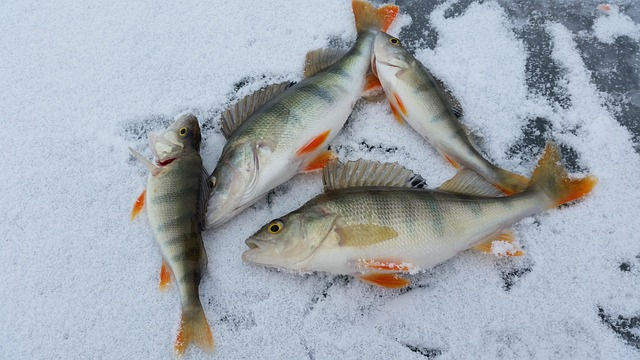
Ice fishing looks like the most equipment-heavy branch of the sport, which is exactly why most beginners never start. In practice, a first-season angler in Minnesota, Michigan, Wisconsin or upstate New York can walk onto a bay with an auger, a two-foot rod and a handful of tungsten jigs and catch bluegill and crappie within an hour. What separates a good first trip from a miserable one is not gear — it is knowing how thick the ice has to be, where fish sit under it, and how slowly you need to move a bait in 34-degree water. This guide covers all three, in the order you will need them.
Reference data
Ice fishing starter numbers
Safe ice, gear cost and the depths and jig sizes that produce on a first season through the ice.
| Factor | Number to use | Why it matters |
|---|---|---|
| Safe ice (on foot) | 4 in of new clear ice | Double it for white or slushy ice; avoid inlets, springs and bridges |
| Safe ice (ATV / small car) | 5–7 in / 8–12 in | Measure yourself every 50 yards, do not trust reports |
| Starter kit cost | $200–$250 | Hand auger, 28 in light rod, reel, tungsten jigs, bait, bucket, ice picks |
| Auger size | 6 in blade | Plenty for panfish and walleye; 8 in is much harder work by hand |
| Early-ice depth | 8–15 ft over green weeds | December bays, same areas as late fall |
| Midwinter depth | 20–30 ft on the first break | Panfish often suspend a few feet off bottom |
| Walleye window | Last 45 min of daylight, 12–22 ft | Set up on a point or inside turn an hour before sunset |
| Jig sizes | 1/32, 1/16, 1/8 oz tungsten | 4 lb main line, 2 lb fluoro leader in clear water |
| Jigging cadence | 3–5 s quiver, 10–20 s dead pause | Most bites land in the pause or on the next lift |
| Holes per session | 15–30 | 5–10 minutes each until you find fish, then stay |
Safe Ice Comes Before Everything Else
No fish is worth thin ice. The working standard used by most state DNR agencies is four inches of new, clear ice for a single angler on foot, five to seven inches for a group or a snowmobile, and eight to twelve inches for a small car. Those figures apply to clear black ice only. White, milky or slushy ice is roughly half as strong, so double the numbers. Ice over moving water, near inlets, springs, bridge pilings and dock bubblers is never reliable at any thickness.
Check the ice yourself as you walk rather than trusting a report from a bait shop that may be three days old. Drill or chisel a test hole every fifty yards on your way out and measure with a tape. Carry ice picks around your neck, wear a float-assist bib if you can, and go with someone. Early ice in December and late ice in March produce some of the best fishing of the season, and both are when nearly every accident happens.
The Minimum Gear That Actually Catches Fish
A complete starter setup costs around $200 to $250. A hand auger with a six-inch blade is enough for panfish and walleye and cuts a hole in under a minute in a foot of ice; the eight-inch models are noticeably harder work. Add a 28-inch light-power ice rod with a small spinning reel, 4-pound monofilament or copolymer, and a five-gallon bucket that serves as seat, tackle box and fish carrier.
For terminal tackle, buy tungsten jigs in 1/32, 1/16 and 1/8 ounce. Tungsten is denser than lead, so a smaller profile still drops fast, which matters when you are searching. Keep a tub of waxworms or spikes, a couple of small jigging spoons for walleye and perch, and a spool of 2-pound fluorocarbon leader for clear-water panfish. Everything else — the shelter, the flasher, the power auger — makes the day more comfortable but does not put more fish on the ice in your first season.
Where Fish Hold Under the Ice
Early ice fish stay shallow. In December, bluegill, crappie and perch are still in eight to fifteen feet over green weed beds in bays, exactly where they were in late fall. As the season progresses and weeds die off, oxygen in those bays drops and fish slide out to the first deep break, often twenty to thirty feet, and suspend off the bottom. That mid-winter move is the single reason anglers who crushed them in December catch nothing in February from the same holes.
Walleye are a low-light fish under ice, same as open water. Drill along a point or an inside turn on a break line in twelve to twenty-two feet, set up an hour before sunset, and stay through dusk. The last forty-five minutes of daylight regularly produce more walleye than the entire rest of the day. For perch, work the flat adjacent to that structure instead, in ten to eighteen feet, and keep moving.
Jigging Cadence: Slower Than You Think, But Not Still
Cold water slows a fish's metabolism, which means shorter chases, not less interest. The most productive panfish cadence is a fast quiver of three to five seconds to attract attention, followed by a dead-still pause of ten to twenty seconds with the jig held motionless. Most bites come during the pause or just as you begin lifting again. Hold the rod against your forearm to steady it; a shaking hand is the number one reason beginners watch fish rise and then turn away.
If a fish comes up and stops short, raise the jig six inches rather than dropping it. Panfish feed upward and a bait moving away triggers commitment, whereas a bait dropped past them is nearly always refused. For walleye, use a larger motion: lift a 1/4-ounce spoon sharply eighteen inches, let it flutter back on a semi-slack line, then pause five seconds on the bottom and tap twice to raise silt.
Drill More Holes Than You Think You Need
The single biggest difference between a beginner and a consistent ice angler is hole count. Successful anglers drill fifteen to thirty holes in a session and spend five to ten minutes on each until they find fish, then stay. Beginners drill three and wait two hours. Drill a line of holes running from ten feet out to thirty feet across a break so you can cover the whole depth range quickly without re-augering.
Track what worked. Note the date, hole depth, time of the bite and the jig size in your phone after every trip. Under ice, patterns repeat with unusual reliability from year to year: if a bay produced crappie at eighteen feet at 4:40 p.m. on January 12th last winter, it is worth a look on January 12th this winter. Over two seasons those notes become more valuable than any electronics purchase.
Field-tested · Insider knowledge
Insider tips most anglers overlook
Hard-won, specific tactics from years on the water — the kind of details that rarely make it into mainstream guides.
- 1
Drill your whole line of holes before you fish any of them — augering next to a hole you are about to drop into spooks panfish for ten minutes.
- 2
When a fish rises to your jig and stops, lift the bait six inches instead of dropping it; panfish feed upward and a retreating bait triggers the eat.
- 3
Tungsten in a smaller profile beats lead in a larger one, because you can fish 1/16 oz weight at a 1/32 oz size and still fall fast enough to search.
- 4
Brace the rod butt against your forearm during the dead pause — an unsteady hand is the most common reason beginners watch fish turn away.
- 5
Late ice in March concentrates fish near inflows, but that is also the thinnest ice on the lake; fish the inflow from 30 yards away, never on top of it.
- 6
Log the date, depth, time and jig size after every trip; under-ice patterns repeat within a few days from one winter to the next.
- 7
Keep a second rod rigged with a dead-stick minnow two feet off bottom next to your jigging hole; the commotion of jigging often sells the still bait.
Frequently asked questions
How many inches of ice is safe to walk on?
Four inches of new, clear ice is the widely used minimum for one person on foot, five to seven inches for a group or snowmobile, and eight to twelve inches for an ATV or small car. White or slushy ice is about half as strong, so double those numbers, and never trust ice near inlets, springs, bridges or aerators regardless of thickness.
What gear do I need to start ice fishing?
A hand auger, a 28-inch light ice rod with a small spinning reel spooled with 4-pound line, tungsten jigs from 1/32 to 1/8 ounce, live waxworms or spikes, a five-gallon bucket and ice picks. That kit runs about $200 to $250 and catches panfish and walleye. A shelter and a flasher add comfort and speed but are not necessary in your first season.
What depth should I fish through the ice?
In December, fish eight to fifteen feet over remaining green weeds in bays. By midwinter, move out to the first deep break in twenty to thirty feet, where panfish often suspend a few feet off bottom. Walleye typically hold on breaks in twelve to twenty-two feet and bite hardest in the last hour of daylight.
What is the best bait for ice fishing panfish?
A small tungsten jig tipped with two or three waxworms or spikes is the most consistent presentation for bluegill and crappie. In clear water, tie a 2-pound fluorocarbon leader and drop to a 1/32-ounce jig. Plastics in 1-inch profiles work well too and let you fish faster when you are searching new holes.
What time of day is best for ice fishing?
Panfish bite steadily through the day with peaks at first light and again in the last two hours before dark. Walleye are strongly crepuscular under ice: plan to be set up on a break forty-five minutes before sunset and fish until it is fully dark, which in most northern states is the highest-percentage window of the day.
About the author
Alain Quiroga
Founder & Lead Angler, BizkFish
Austin, Texas · Frequently on the road across the U.S. · 17+ years fishing
Alain has been fishing seriously for 17 years, starting as a kid on farm ponds in East Texas and eventually guiding friends and family across more than 200 fisheries in 24 U.S. states. He splits his season between largemouth on Central Texas reservoirs, trout on Rocky Mountain tailwaters, and inshore saltwater along the Gulf and Southeast Atlantic. Every article on BizkFish is written from firsthand time on the water — not rewritten from other blogs.
Field notes: Based on winters spent on Mille Lacs and Leech Lake (MN) and smaller Wisconsin bays between 2019 and 2025, including two full seasons fishing without a shelter or flasher to test what a beginner kit can really do.
Credentials
- 17+ years targeting freshwater and inshore saltwater species
- TPWD Boater Education certified (Texas Parks & Wildlife)
- American Red Cross CPR/First Aid certified — required for on-water group trips
- Volunteer with a local Trout Unlimited chapter (stream cleanups and youth clinics)
- Logged 180+ fishing days across the 2023–2024 seasons
Home waters
- Lake Travis & Lake Austin, TX (year-round largemouth and white bass)
- Guadalupe River tailwater, TX (winter rainbow trout)
- Port Aransas & Matagorda Bay, TX (redfish, speckled trout)
- San Juan River, NM (technical dry-fly trout)
Species regularly targeted
- Largemouth & smallmouth bass
- Rainbow, brown, and cutthroat trout
- Redfish, speckled trout, snook, flounder
- Channel & blue catfish
- Crappie, bluegill, and other panfish
Notable trips
- 3-week Alaska trip (Kenai Peninsula + Bristol Bay lodges) chasing king salmon and rainbow trout, summer 2023
- Two seasons floating the Madison and Yellowstone rivers in Montana with a licensed outfitter
- 10-day Florida Keys skinny-water trip targeting tarpon, bonefish, and permit out of Islamorada
- Multiple Ozark float trips on the White and Buffalo rivers (AR/MO) for smallmouth
- Annual Louisiana marsh trip out of Venice for bull redfish
Related articles

10 Common Fishing Mistakes Beginners Make
From overloaded tackle boxes to ignoring water temperature, these are the rookie mistakes that quietly sabotage every trip.
Alain Quiroga · Mar 30, 2026 · 5 min read

Fishing Regulations Every Angler Should Know
Regulations exist for a reason. Knowing them keeps fines off your record and fish populations healthy.
Alain Quiroga · Oct 19, 2025 · 6 min read